Why Twitter is so cool

Twitter is the conversation hub of the web. I like it because it’s fast-paced, to the point and highly social. It’s also un-monetized and democratic in nature. And by all accounts, it’s going to be the must-have tool for anyone interacting online.
It’s understandable if you’re sketched out at first
In the beginning, I signed up for a Twitter account and did nothing with it for several months. Just couldn’t understand why people needed to tell everyone else what they were doing at any given moment: “Going store to pick up some Blue Bunny ice cream. Gotta luv Bunny Tracks while watching 24!”, or “Heading to gym w/@demmab in 20 minutes, then to vet for Twinkle’s checkup.”
Now I have to peel myself away from Twitter many times a day because it’s so fun and addicting (cliche intended). (Check this out — it explains a lot.) It’s also useful if you need up-to-the-second information or want to know where certain people are.
Before I get too excited, though, let me back up and explain some basics:
How Twitter works, briefly
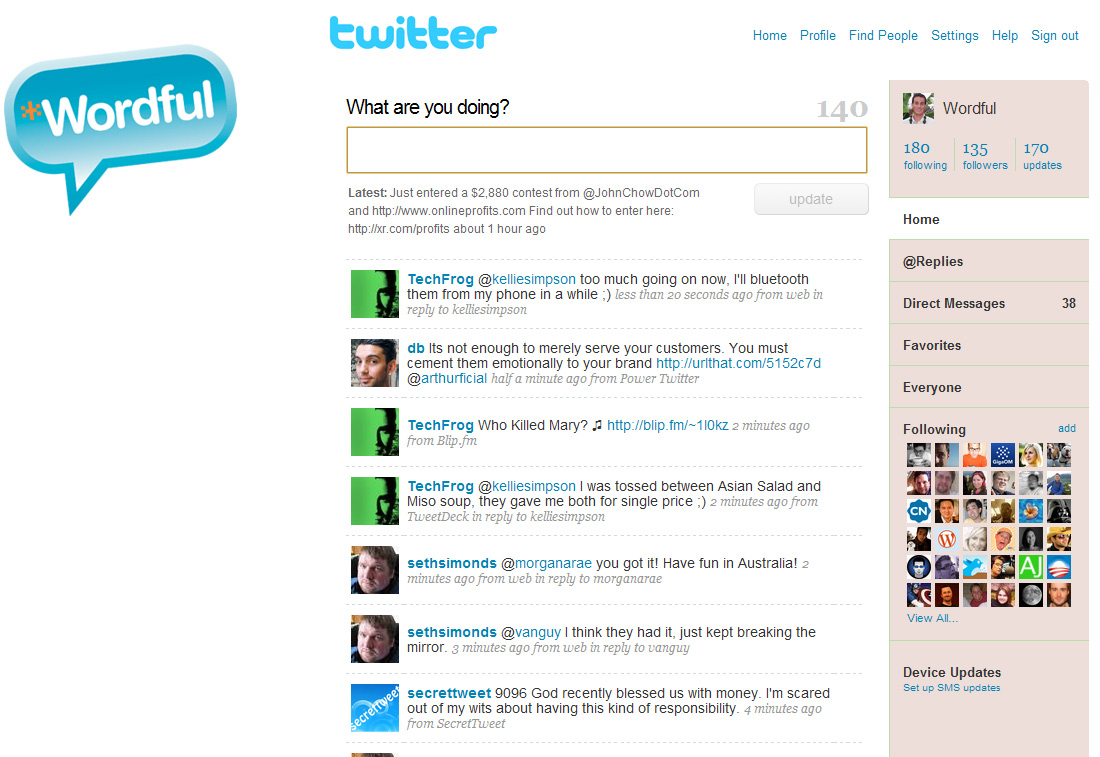
You sign up for a free account at http://twitter.com, and choose a unique username, so that your Twitter page reads like http://twitter.com/yourusername.
You fill out some info on yourself that you want people to see when they get to your page. Then you start by typing anything you want in a short message called a Tweet. Tweets must be no longer than 140 characters, (including all letters, numbers, spaces, punctuation, etc.). The brevity helps cut the wordy fluff found often in emails and other long-form communications.
Once you sign up on Twitter, you’ll have the freedom to follow people. What that means is you get to see their tweets on your homepage. Likewise, people can choose to follow you. If you’re new to Twitter, getting followers feels good because you feel like more people are lining up to hear what you have to say.
Totally democratic communication
Unlike other social media sites like Facebook or Digg, Twitter is not ad-supported. This makes it a pure and clutterless communication platform free from the usual irritating in-your-face marketing messages. It’s kind of like being a huge coffee shop and chatting with a bunch of interesting people but never feeling the pressure to buy a coffee or pastry (not to say the people you’re talking to won’t try to directly sell you something, but it’s not likely). To me, the absence of ads catalyzes a better flowing and stimulating conversation.
Also, if you look at someone’s profile, you’ll note that Twitter does not publish how long that person has been a member. A simple but brilliant omission if you think about it: any hint of seniority is neutralized, which makes joining for new members a much less intmidating and exclusive process (as in, “gee, I’ll never be as established as all the people who joined before this was popular…”) .
What gives people “higher rankings” in Twitter is their number of followers. The more followers you have, the higher level of authority, expertise and ability to captivate the Twittersphere you probably have. Kind of like votes in an election, except there is no one winner and everyone can strive to the top.
Why Twitter is so powerful
Now that I’ve been active with Twitter for about six weeks, I can see why it’s so powerful. At its most basic level, you are given the freedom to express whatever is on your mind at any given time to a potentially attentive audience (by the way, Gary Vaynerchuk tells us your community starts with an audience of one). That alone, I must say, feels great.
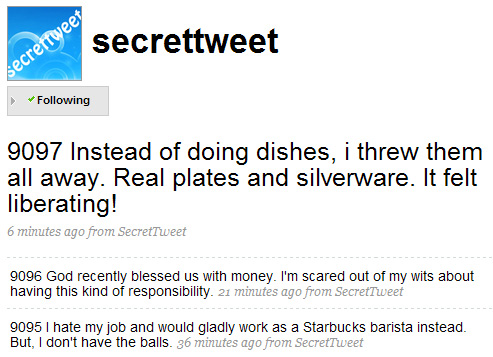
Twitter is also an easy place to find answers almost instantly. Say you need to find a great restaurant in Honolulu as you’re passing through for the day. All you do is tweet the question and wait a few moments — then you’ve got your restaurant picks. Or maybe you’re looking for a programmer to help fix your website — ten qualified leads could show up in a matter of minutes. This kind of stuff only happens on Twitter.
Beyond that, Twitter allows you to direct people to whatever it is you do on the web — namely your website. You can Tweet about your latest product or idea or video and have it disseminated instantly to an eager crowd. And if what you’ve got is hot — those people will “re-tweet” your message to their followers, and so on. See how this can be huge?
Going even further, T****witter is a great place to make friends. The “feel” I get from Twitter is about 99% friendly. Everyone seems to be doing something totally unique and interesting and is willing to share it with the world. With that said, it’s not hard to start or be part of multiple conversations. Some of these friends might be people you end up netowrking with (in person?) in the future.
**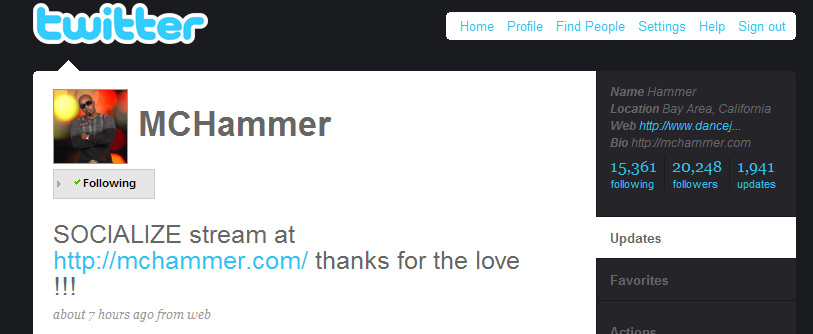
At perhaps the highest level of Twitter lies the chance to hear from and be heard by someone at the very top of their game**. Many well-known people are using Twitter: MC Hammer, Levar Burton, Britney Spears, Barack Obama (no updates since Nov. 4), Lance Armstrong, Gary Vaynerchuk and other major movers and shakers. What nice about having them on Twitter is you really get to see their social persona in play. You may also be more careful on how you choose your words should anyone of interest be listening.
My first ultra-cool Twitter experience
I had a couple of really cool encounters with cyclist Lance Armstrong thanks to Twitter, which you can read in this post.
One good Twitter resource
In this post I chose not to get into the features of Twitter, of which there are a few. A quick Google search will pull up thousands of resources, but I’ll give you one very good downloadable resource from blogger David Risley: http://www.davidrisley.com/twittermanual/.